


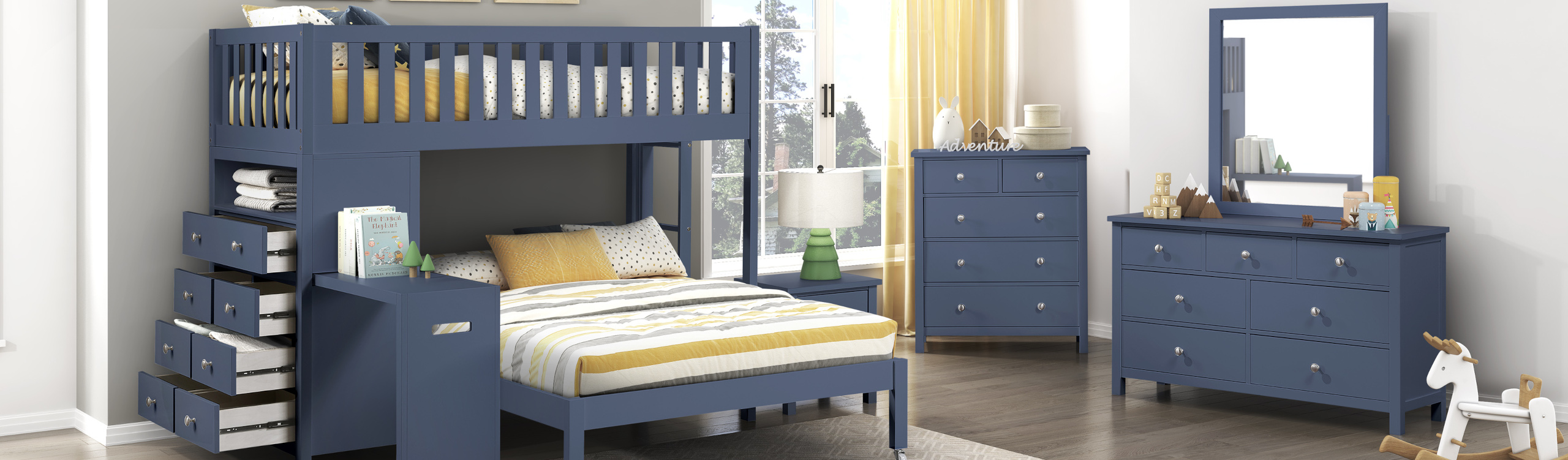
Kids grow fast. The toddler who needed a low-to-the-ground bed with safety rails becomes a middle schooler who wants a desk and somewhere to pile their stuff, and then a teenager who needs actual storage for actual life. Buying furniture that only works for one phase means buying it twice, or three times. The better approach is choosing pieces from the start that flex and hold up as your child grows.
Here’s how to do it without overthinking it.
Pick Timeless Styles Over Trendy Themes
The themed bedroom feels fun at age five. At eleven, it’s embarrassing. At fifteen, it’s gone.
Stick with clean lines, neutral finishes, and simple hardware. White, gray, warm wood tones, and navy all work across every age group. A solid wood dresser in espresso or white looks just as right in a toddler’s room as it does in a teenager’s. A simple upholstered bed in a solid color won’t feel babyish in a few years.
Avoid novelty shapes, cartoon motifs built into the furniture itself, or anything that only reads as “little kid.” Save the personality for bedding, wall art, and accessories, those are easy to swap out.
Think in Zones, Not Just Pieces
A child’s room serves different functions depending on age: sleeping, playing, studying, and eventually socializing. The furniture layout should support all of those without a full overhaul every few years.
When your child is young, the floor space matters most for room to play. As they get older, the study zone takes over. Plan for a desk area early, even if you don’t set it up right away. Leave wall space for a bookcase. Put the bed in a position that gives you layout flexibility down the road.
A few layout principles that hold up over time:
Keep the bed against a non-window wall. This lets you add a headboard later and keeps natural light from being blocked.
Reserve a corner or wall for study. A desk and bookcase can grow into the space. Start with just the bookcase if you need to, and add a desk when homework becomes a thing.
Don’t over-fill the room early. It’s tempting to set everything up at once. But a packed room at age four becomes a cramped one at fourteen. Leave room to grow into it.
Storage Beds: The Smartest Investment in a Kid’s Room
Kids have a lot of stuff. And most of it ends up on the floor.
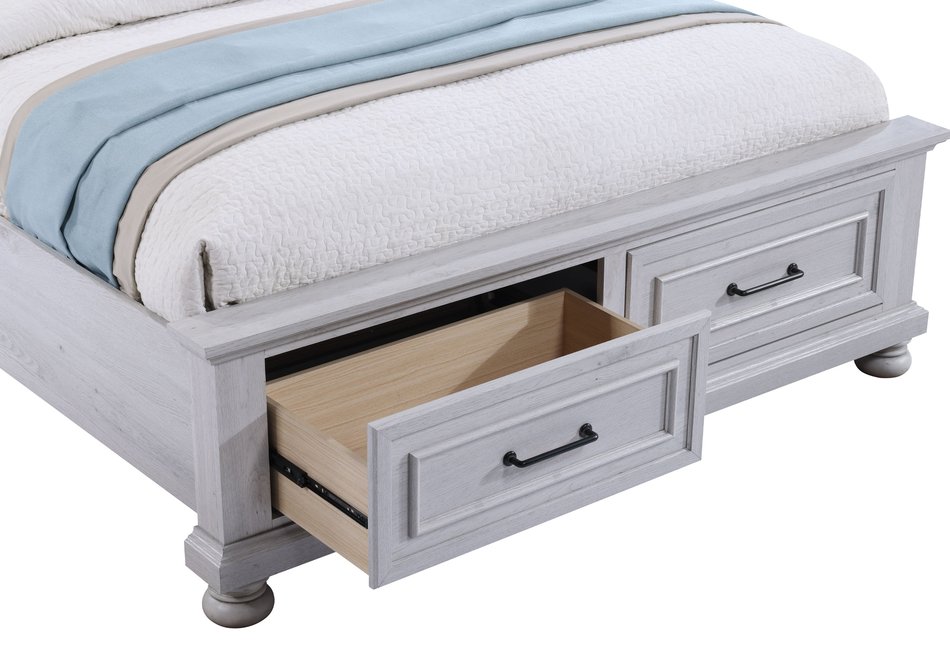
A storage bed solves this without adding more furniture to the room. Drawer storage beds build pull-out drawers right into the bed frame. They’re usually on both sides or across the footboard. That’s where extra bedding, off-season clothes, shoes, and toys live, out of sight.
Lift-top storage beds use a hydraulic mechanism to raise the mattress platform, revealing a large open storage space underneath. These are great for bulkier items: sleeping bags, sports gear, extra pillows.
Either style works from childhood through the teen years. The contents change from stuffed animals to sports equipment to clothes, but the function stays the same. At Cardi’s Furniture & Mattresses, storage beds come in a range of sizes and finishes, so you can find one that fits the room and works with the rest of the furniture.
Dressers: Go Bigger Than You Think You Need
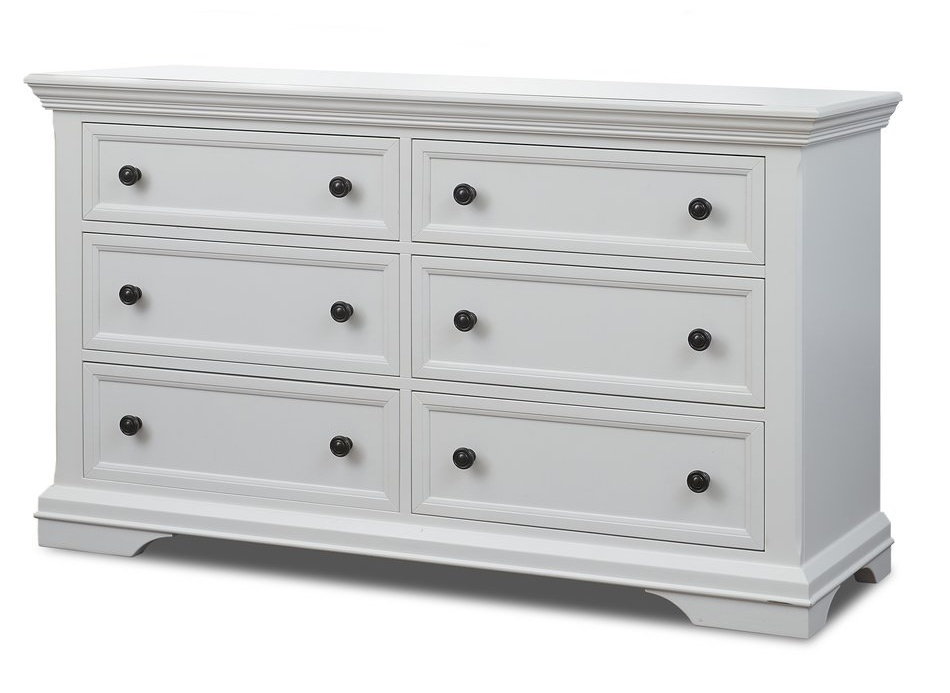
A small dresser might feel right-sized for a little kid’s wardrobe. It won’t be for long.
Buy a dresser with more drawers than you think you need. Kids accumulate clothes like school clothes, sports clothes, pajamas, seasonal items, and they need somewhere to put them. A five- or six-drawer dresser gives you room to grow without forcing a swap-out later.
Look for:
- Solid wood or wood veneer construction over particleboard – it holds up to years of use and heavy drawers
- Dovetail or English dovetail drawer joints – they stay together longer
- Anti-tip hardware or the ability to anchor to the wall – a must for safety in a child’s room
A taller chest of drawers with ball bearing drawer glides can do double duty as a nightstand alternative in a small room, or pair it with a wider low dresser if you have the space. Either way, getting the storage right means the room works harder and looks cleaner.
Nightstands: Small but Essential
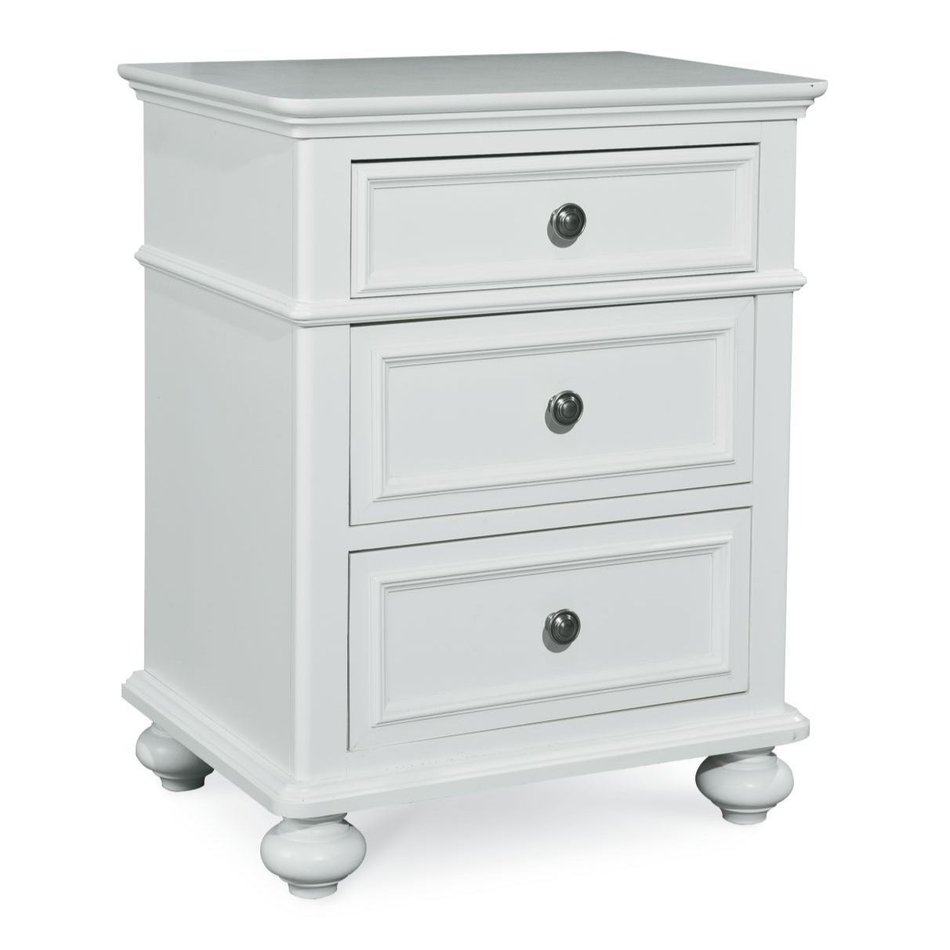
A nightstand next to the bed keeps things off the floor: books, a lamp, a water bottle, a phone charger. It doesn’t have to be complicated, but it should have at least one drawer for the items your kid actually wants close but not visible.
As kids move into their teen years, a nightstand with a USB charging port or a built-in outlet is a practical upgrade. Most teenagers are charging something every night. Having that built into the furniture keeps cords off the floor and charging organized.
When choosing a nightstand, match the height to the bed. A nightstand should sit roughly level with the top of the mattress. A platform bed sits lower and needs a shorter nightstand, something to account for when you’re buying pieces separately.
Bookcases: More Than Just for Books
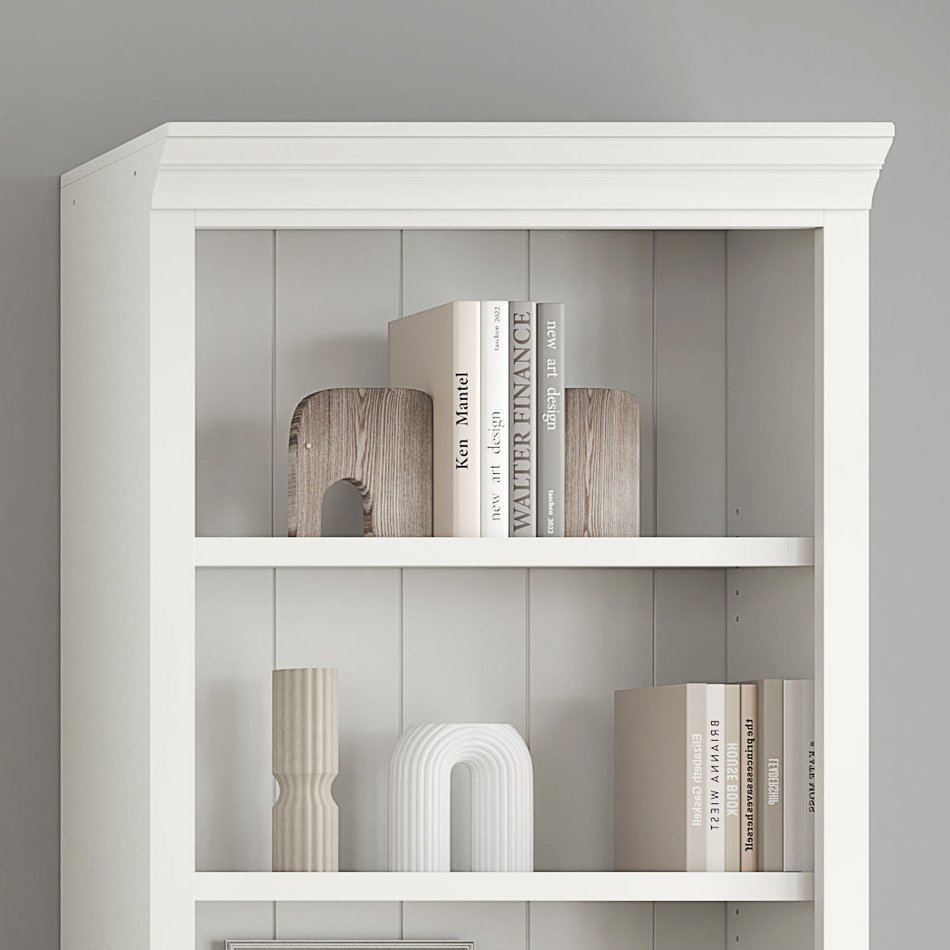
In a young child’s room, a bookcase holds picture books and small bins of toys. As kids get older, it holds chapter books, trophies, school supplies, and collections of whatever they’re into that month. In the teen years, it’s textbooks, binders, and the random accumulation of a life in progress.
A sturdy, wall-anchored bookcase handles all of it.
Adjustable shelves are the key feature to look for. Fixed shelves are limiting. What holds board books won’t work as well for textbooks or art supplies. Adjustable shelving lets you reconfigure as the contents change.
A bookcase also works as a room divider in shared spaces, adds visual interest to a bare wall, and keeps floors clear. Pair it with labeled bins or baskets for smaller items when kids are young, and pull the bins out as they get older and can manage their own organization.
What to Avoid
A few buying mistakes that cost families money over time:
Buying furniture sized for right now. Twin beds, small dressers, and undersized desks work when kids are small. But a twin-to-full upgrade and a dresser swap a few years later adds up. Buy pieces that fit a bigger body and a bigger life.
Skipping anchoring hardware. Tip-over accidents are a real danger with children and unsecured furniture. All freestanding bookcases, dressers, and chests in a child’s room should be anchored to the wall, and all applicable storage pieces should meet or exceed government and industry standards and regulations.
Over-decorating with built-ins. Custom built-in furniture can’t move when the room’s function changes. Freestanding furniture gives you flexibility. You can rearrange, sell, or repurpose pieces as needs shift.
Putting It Together
The best youth bedroom furniture does a few things well: it stores enough, it lasts long enough, and it looks good through multiple phases of childhood. That means a storage bed that handles the overflow, a full-sized dresser that doesn’t run out of room, an adjustable bookcase that grows with what your kid reads and collects, and a nightstand that keeps the essentials close.
At Cardi’s Furniture & Mattresses, the kids furniture selection is built around exactly this kind of long-term thinking; pieces that work hard, hold up, and don’t need to be replaced every few years. Visit any of our locations across Rhode Island, Massachusetts, and New Hampshire to see the collection in person, or shop online at cardis.com.