


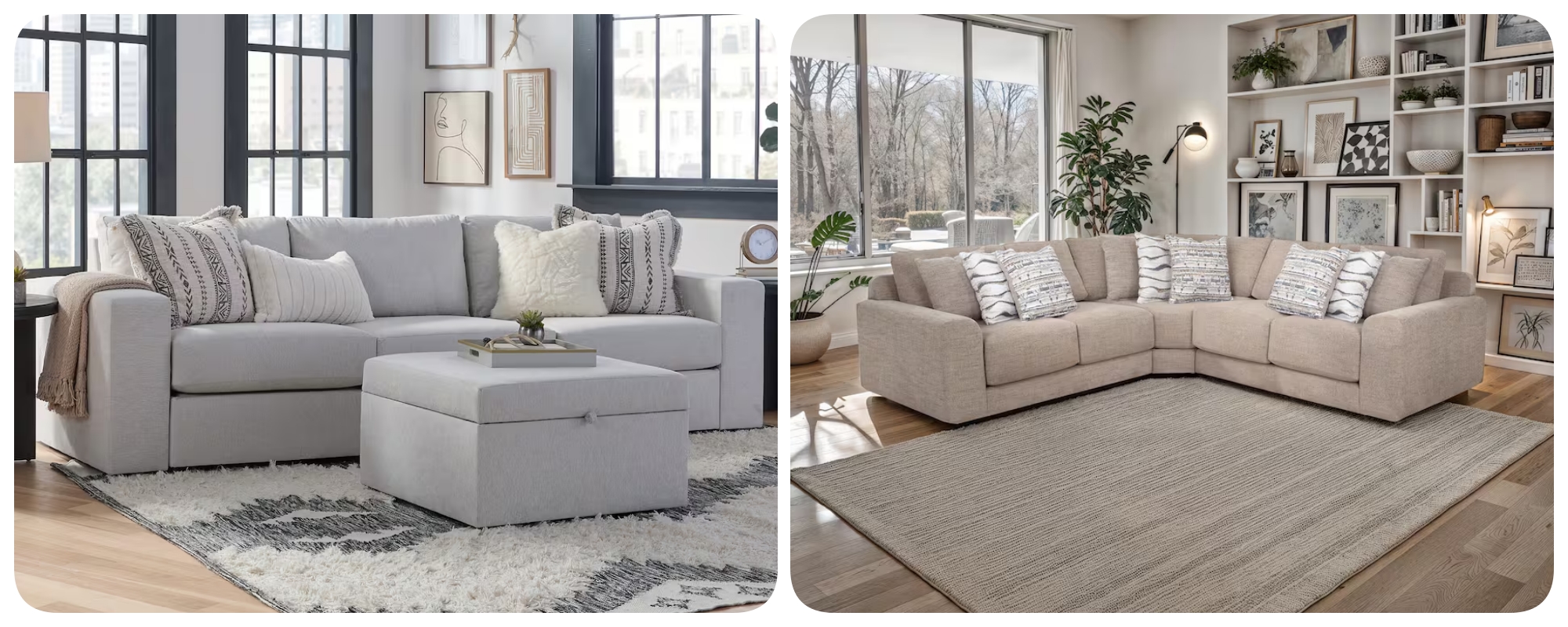
Choosing between a sofa and a sectional is one of the most important furniture decisions you’ll make for your living room. The right choice can improve traffic flow, make your space feel larger, and create a more inviting atmosphere for family and guests. The wrong choice can make even a beautiful room feel cramped or unbalanced.
Understanding a few interior design rules—and how sofas and sectionals interact with color, layout, fabric, and surrounding décor—can make the decision much easier. Below, we’ll break down how to decide whether a sofa or sectional works best for your home and how to design around each option for a polished, cohesive look.
The 2/3 Sofa Rule: A Must-Know Design Guideline
One of the most useful interior design principles for sofas is the 2/3 rule. This rule suggests that your sofa should be approximately two-thirds the length of the wall it sits against.
This creates visual balance and prevents the sofa from overpowering the room or looking undersized. A sofa that’s too long can dominate the space, while one that’s too short may feel disconnected from the rest of the layout.
For example, if your wall is 12 feet long, a sofa around 8 feet wide will usually look proportional. This rule is especially helpful in apartments, condos, and smaller living rooms where scale matters most.
Sectionals don’t follow the 2/3 rule as strictly, but proportion still applies. The sectional should visually fit within the room without blocking walkways or crowding architectural features like windows or fireplaces.
When a Sofa Makes the Most Sense
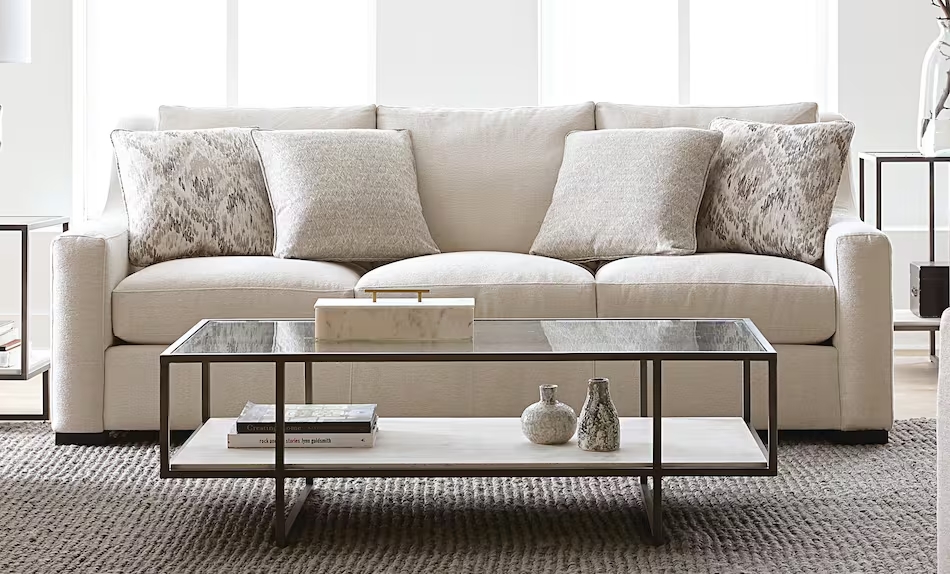
A sofa is often the best choice if you want flexibility or have a smaller living area. It works particularly well in rooms where furniture needs to be rearranged easily or where traffic flow is important.
Sofas are ideal for:
- Narrow or rectangular living rooms
- Formal living spaces
- Homes with multiple seating pieces, such as accent chairs or recliners
- Rooms that connect directly to dining areas or entryways
Because sofas take up less visual and physical space, they help rooms feel lighter and more open. This is especially important in homes where the living room connects to other spaces and needs to feel cohesive rather than closed off.
When a Sectional Is the Better Choice
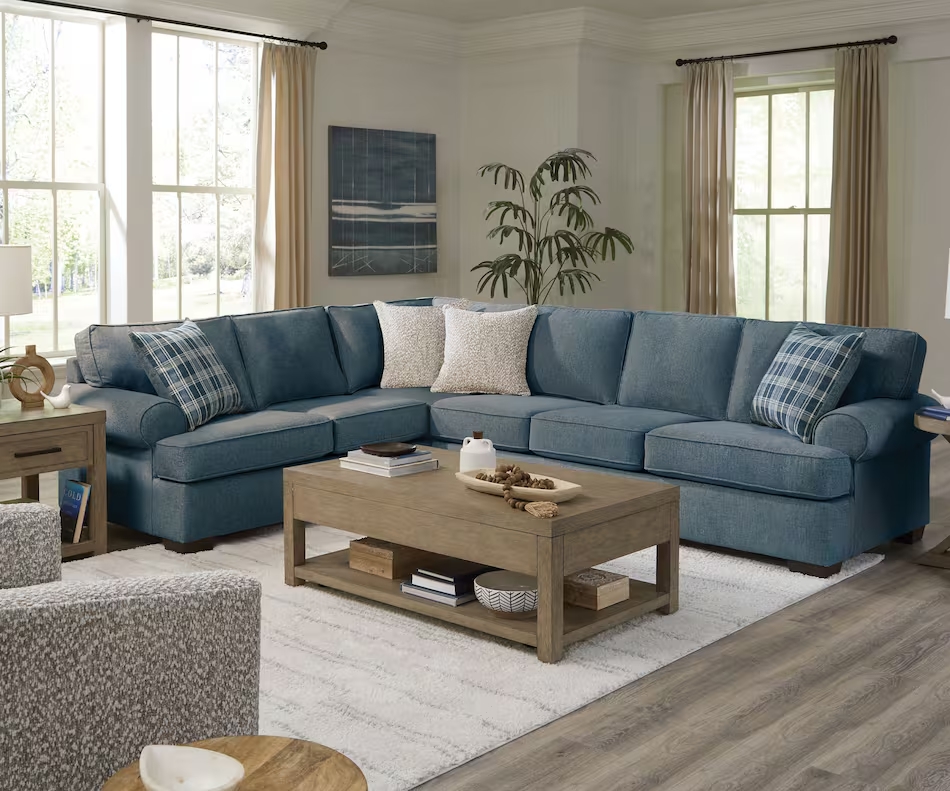
Sectionals shine in larger rooms or open-concept layouts where you want to define the living area without walls. They naturally create zones and encourage conversation.
A sectional may be the right choice if:
- You have a large family or frequently entertain
- Your living room opens into the kitchen or dining area
- You want built-in seating without adding multiple furniture pieces
- Comfort and lounging are top priorities
In open floor plans, sectionals act as visual anchors. Placed correctly, they can separate spaces while still maintaining a sense of flow.
Interior Design Rules for Placing Sectionals
Sectionals require thoughtful placement to complement the room rather than overwhelm it. One key rule is to float the sectional when possible instead of pushing it tightly against walls. Leaving space behind the sofa helps the room feel larger and allows light to move more freely.
Another important guideline is to ensure the sectional opens toward the room, not away from it. The open side should face the focal point, whether that’s a TV, fireplace, or window.
Avoid blocking natural walkways. A well-placed sectional should guide movement through the space, not interrupt it. Maintaining at least 30-36 inches of walking space around major furniture pieces keeps the room functional and comfortable.
How Furniture Color Affects How Big a Room Looks
Color plays a huge role in how spacious your living room feels. Lighter-colored sofas and sectionals, such as soft grays, creams, taupes, or light blues, reflect light and make a room feel more open.
Darker colors like charcoal, navy, or deep brown can make a space feel cozy and grounded, but they work best in larger rooms or spaces with plenty of natural light. In smaller rooms, darker upholstery can visually shrink the space if not balanced properly.
If you love darker furniture but want to avoid a heavy look, pair it with light walls, airy curtains, and reflective surfaces like glass or metal accents.
Matching Furniture Colors With the Rest of the Room
Your sofa or sectional doesn’t exist in isolation. It should connect visually with the rest of your home. One effective design approach is to pull colors from nearby rooms to create a cohesive flow, especially in open-concept spaces.
For example, if your kitchen features warm wood tones or black accents, echo those elements in your living room furniture or décor. Neutral upholstery works particularly well for this, acting as a bridge between different spaces without competing for attention.
Accent pillows, throws, and area rugs are great tools for tying furniture colors into wall art, flooring, and accessories throughout the room.
Fabric Choices and Their Impact on Design Balance
Fabric selection affects both the look and feel of your space. Smooth fabrics like leather or performance microfiber create a clean, modern appearance and are easy to maintain, making them great for busy households.
Textured fabrics such as woven upholstery, chenille, or boucle add depth and warmth. These fabrics help soften rooms with lots of hard surfaces like wood floors or stone fireplaces.
In terms of balance, heavier fabrics ground large sectionals and make them feel intentional, while lighter fabrics help sofas appear more streamlined and elegant.
Using Décor to Complement Sofas and Sectionals
Décor plays a supporting role in making your seating choice look intentional. Area rugs help define the seating area and should be large enough for at least the front legs of the sofa or sectional to rest on them.
Cocktail tables and end tables should match the scale of your seating. A sectional pairs well with larger, rectangular or round coffee tables, while sofas work beautifully with streamlined or nesting tables.
Lighting also matters. Floor lamps or table lamps positioned near sofas and sectionals add height variation and prevent the room from feeling flat.
Other Interior Design Tips to Keep in Mind
Balance is key. If your sofa or sectional is bulky, balance it with lighter visual elements like slim accent chairs or open shelving. If your seating is sleek, add warmth with layered textiles and wood accents.
Always measure before you buy. Tape out the furniture dimensions on your floor to see how it will feel in the space. This simple step can prevent costly mistakes.
Finally, think about how you actually live. A beautifully styled sofa won’t matter if it doesn’t meet your comfort or seating needs.
Find the Perfect Sofa or Sectional at Cardi’s Furniture & Mattresses
Whether you’re deciding between a classic sofa or a spacious sectional, Cardi’s Furniture & Mattresses offers a wide selection of styles, fabrics, and configurations to fit every home and lifestyle. With locations throughout Rhode Island, Massachusetts, and New Hampshire—and a convenient online store—you can explore high-quality furniture designed to look great and last.
Shop online or visit one of our showrooms to find the sofa or sectional that brings comfort, balance, and style to your living space.